Which is Better Value? Leica Q3 Monochrom vs Sigma 17–40mm F1.8 DC Art Compared
Introduction
When evaluating camera gear, "value" means different things to different buyers. Some prioritize absolute image quality and a distinctive creative look, while others want versatility and lower long-term cost. The Leica Q3 Monochrom and the Sigma 17–40mm F1.8 DC Art sit at opposite ends of that spectrum: the Leica is a premium, purpose-built monochrome camera system; the Sigma is a fast, flexible wide-to-standard zoom aimed at photographers who want high optical performance on a budget. This article compares both products through the lens of real-world use, buyer priorities, and long-term ownership considerations to help readers determine which is better value for their needs.
At a Glance: What Each Product Is
Leica Q3 Monochrom is a fixed-lens compact camera built around a full-frame monochrome sensor, designed specifically for black-and-white photography. It combines a finely tuned sensor with a fast, wide-angle lens and Leica’s characteristic attention to ergonomics and image rendering.
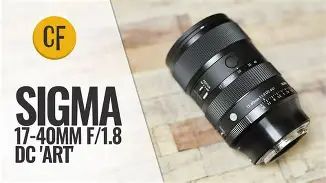
Sigma 17–40mm F1.8 DC Art is a bright, wide-to-normal zoom for APS-C (crop) format cameras, part of Sigma’s Art line which emphasizes optical performance. With a wide zoom range and an unusually large constant aperture, it targets event shooters, landscape and travel photographers, and anyone who wants flexibility without constant lens changes.
Detailed Product Analysis
Leica Q3 Monochrom: Purpose-Built B&W Performance
The Leica Q3 Monochrom represents a deliberate design choice: remove the color filter array and optimize every stage of capture for luminance. The result is a camera that is tuned for tonal gradation, micro-contrast, and the subtle renderings that define compelling black-and-white imagery. In practice, photographers who prioritize monochrome—street shooters, documentary photographers, and fine-art practitioners—will find the Q3 Monochrom’s output immediately usable with minimal processing. The fixed wide-angle lens simplifies composition and workflow: there is no lens swapping, no concern for lens compatibility, and a single optical signature across all frames.
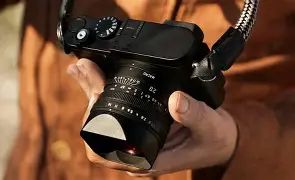
Key practical advantages include rapid handling and an instinctive shooting experience. A single, well-calibrated body-lens-sensor package reduces friction: compose, focus, and shoot. The tactile Leica controls and thoughtful ergonomics further help in fast-paced environments such as street photography or reportage assignments. Image quality in the tonal and low-noise domains is where this camera shines; it is designed to produce striking monochrome results straight out of camera.
Limitations are inherent in the concept: the fixed focal length restricts framing options, and monochrome-only capture removes the flexibility of shooting in color when the scene calls for it. Buyers should also weigh the cost of entry: Leica’s premium positioning means the Q3 Monochrom carries a high price tag relative to multipurpose bodies and lens systems.
Sigma 17–40mm F1.8 DC Art: Versatility and Bright Optics
The Sigma 17–40mm F1.8 DC Art trades single-purpose focus for optical and focal-length flexibility. Covering a useful wide-to-normal perspective on APS-C bodies, this zoom’s constant bright aperture makes it attractive for low-light work, shallow depth-of-field effects, and fast-paced shooting where lens changes are undesirable. As an Art-series lens, Sigma prioritizes sharpness, controlled aberrations, and build quality—attributes that matter for landscape, wedding, event, and travel photographers who need one lens to handle a variety of situations.
Shop the latest Cameras & Photography picks on Amazon.
Shop Amazon →In real-world use, the Sigma excels when adaptability is required: moving from a tight interior to an outdoor scene, or switching between environmental portraits and landscapes. The bright aperture helps freeze motion or lower ISO in available light. Cost-conscious buyers also appreciate that a single high-performing zoom can replace multiple primes, reducing system weight and the risk of missed shots during lens swaps.
The trade-offs include the physical size and weight of a bright zoom relative to slower alternatives, and the realities of using a crop format: angle-of-view and shallow-depth-of-field behave differently than full-frame. For photographers invested in full-frame systems, adapting or choosing the right body matters for final image character.
Pros & Cons
Leica Q3 Monochrom
- Pros: Exceptional monochrome image quality and tonal gradation; Leica lens-sensor optimization; excellent ergonomics and build; minimal workflow friction for black-and-white shooters; refined image rendering straight out of camera.
- Cons: Fixed focal length limits compositional flexibility; monochrome-only capture removes color options; premium price and higher total cost of ownership; less versatile for photographers who need variable focal lengths.
Sigma 17–40mm F1.8 DC Art
- Pros: Versatile wide-to-normal focal range on APS-C bodies; unusually bright constant aperture for a zoom; strong optical performance typical of Sigma Art; good value for photographers needing a single do-it-all lens; useful for low-light and event situations.
- Cons: Bulkier than smaller primes or slower zooms; performance characteristics tied to APS-C format (full-frame shooters must consider crops/adapters); depth-of-field control differs from full-frame equivalents; not a camera—additional investment in body required.
Comparison Table
| Feature | Leica Q3 Monochrom | Sigma 17–40mm F1.8 DC Art |
|---|---|---|
| Product Type | Fixed-lens compact camera, monochrome-only | Interchangeable-lens wide-to-normal zoom (APS-C) |
| Primary Format | Full-frame monochrome sensor | Designed for APS-C (crop) bodies |
| Focal Length | Fixed wide focal length (Leica’s signature wide angle) | 17–40mm (wide to standard on APS-C) |
| Maximum Aperture | Fast lens optimized for low-light (fixed aperture) | Constant F1.8 across the zoom range |
| Versatility | Low — single focal length and monochrome only | High — covers multiple shooting scenarios |
| Typical Buyers | Black-and-white specialists, street and documentary photographers, collectors | Event, travel, landscape, and budget-conscious enthusiasts |
| Cost Consideration | Premium initial cost, but single-system simplicity | Lower per-feature cost; requires body purchase for use |
| Real-world Use Strength | Iconic monochrome output, fast handling for decisive moments | Flexible framing, reliable low-light performance across focal lengths |
Real-World Use Cases
Different photographers will evaluate value differently. Below are common scenarios that highlight where each product shines.
Street and Documentary Photography
The Leica Q3 Monochrom is purpose-built for this category. Its fast wide lens, quiet operation, and monochrome sensor encourage decisive shooting and produce images with tonality and texture that are immediately evocative. The fixed focal length encourages the photographer to move and build composition rather than rely on zoom, which many street photographers prefer.
The Sigma lens can work well here when paired with an APS-C body, offering greater framing flexibility when working in changing environments. However, the combination of a zoom and an interchangeable system introduces more variables (size, lens changes) than the compact Leica.
Event and Wedding Coverage
Event shooters often need reach variety and rapid adaptation. The Sigma 17–40mm F1.8 DC Art provides a useful range for environmental portraits, ceremony coverage, and reception scenes, while its bright aperture helps in dim venues. Leica’s single focal length may be limiting in this context unless the photographer is intentionally seeking a specific wide-angle aesthetic and is comfortable moving physically to frame shots.
Discover deals on Cameras & Photography — updated daily.
Shop Amazon →Travel and Landscape
For landscapes, both products can be valuable but for different reasons. The Leica’s tonal quality makes it appealing for dramatic black-and-white landscapes and travel photography where the photographer wants minimal gear. The Sigma, mounted on a compact APS-C body, gives more compositional flexibility across wide vistas and tighter scenes, reducing the need to carry several lenses.
Portraits and Editorial
Portrait work benefits from background separation and focal-length variety. The Sigma’s 17–40mm range can serve environmental portraits and, on APS-C, a portraiting focal length at the longer end. The Leica’s wide-angle approach can be used creatively for environmental portraits but is less conventional for tight headshots.
Buying Guide: Which Should You Choose?
When deciding which product is better value, consider the following buyer priorities and how each product aligns with them.
1. Primary Genre of Photography
- If the main focus is black-and-white street, documentary, or fine-art photography and the buyer values a single refined tool more than versatility, the Leica Q3 Monochrom represents strong value for that niche.
- If the buyer needs a single solution for varied shooting situations (events, travel, landscapes) and values flexibility, the Sigma 17–40mm is the more practical choice.
2. Budget and Total Cost of Ownership
- Leica gear typically carries a premium; the Q3 Monochrom’s purchase price reflects craftsmanship, brand, and a dedicated monochrome sensor. For buyers who will shoot in monochrome frequently, the per-shot value can be high, but the upfront cost is substantial.
- Sigma lenses are known for offering high optical performance at lower price points than boutique brands. The Sigma 17–40mm represents good value for photographers who want quality glass without the system-level premium.
3. System Considerations
- Leica Q-series users enter a compact, mostly closed system; accessories and Leica service add to ownership experience but are also reflected in cost and resale considerations.
- Sigma buyers must pair the lens with a compatible APS-C body. Choosing a camera body is an opportunity to tailor features (autofocus, stabilization, IBIS, EVF quality) and manage long-term costs by selecting mid-range bodies that meet needs.
4. Intended Output and Workflow
- For photographers who want ready-to-use monochrome files and minimal post-processing, a Leica Monochrom camera can be a valuable time-saver.
- For those who prefer to retain color options and the ability to convert selectively to black-and-white in post, the Sigma route (using a color APS-C body) preserves more flexibility.
5. Resale and Longevity
- Leica products often retain value well due to brand, build, and collector interest. A well-maintained Leica can resell strongly compared to many mainstream cameras.
- Sigma lenses also hold value reasonably well, especially Art-series glass, but system dependency on the camera body means total system resale dynamics are different. Buyers can often recoup a portion of their lens investment when upgrading bodies.
Practical Purchase Checklist
- Define primary shooting scenarios and what proportion of time will be spent on black-and-white vs color work.
- Try both systems in the field if possible: handling, weight, and the output aesthetic are personal decisions best tested hands-on.
- Factor in the cost of a camera body when considering Sigma; the lens alone is not a complete solution.
- Consider total kit weight and travel constraints—fixed-lens Leica may save space; a single Sigma zoom plus body may still be heavier but more flexible.
- Think about future growth: will the buyer expand with additional lenses and accessories? If so, an interchangeable system may offer more long-term ROI.
Value Assessment: Which Is Better?
There is no one-size-fits-all answer. Value is situational:
- For a photographer who shoots predominantly black-and-white, values the Leica aesthetic, and appreciates a streamlined workflow, the Leica Q3 Monochrom is a high-value purchase despite its premium price—because it delivers specialized performance that few alternatives match.
- For a photographer who needs flexibility across many genres, cares about cost efficiency per use, and prefers to invest in glass that covers multiple scenarios, the Sigma 17–40mm F1.8 DC Art is better value. It provides a broad focal range, outstanding brightness for a zoom, and strong optical quality at a price point that leaves budget for a capable APS-C body.
Conclusion
Both the Leica Q3 Monochrom and the Sigma 17–40mm F1.8 DC Art offer compelling value, but they appeal to very different buyer profiles. The Leica is a specialist’s camera—ideal for those who want a premium, no-compromise monochrome tool and are willing to pay for a refined single-purpose instrument. The Sigma is a generalist’s asset—offering optical performance and flexibility that suit a wide range of photographic needs at a lower system cost. Buyers should weigh their shooting habits, budget, and desire for versatility versus specialization. In short: choose the Leica for focused monochrome excellence; choose the Sigma for versatility and cost-effective optical performance.