Hs70 Bluetooth Review: Real User Experience After 3 Months
I've been using the Hs70 Bluetooth headset as my daily driver for roughly three months now, and I wanted to share a detailed, honest account of how it performed in real life. I bought this headset for a mix of remote work calls, casual music listening, and weekend gaming sessions. What I found was a mix of genuinely useful strengths and a few recurring annoyances that only became apparent after extended use. Below I walk through design, comfort, sound, battery life, microphone performance, connectivity, software/features, durability, and practical day-to-day observations — plus a straightforward pros & cons list, a comparison table, and a buying guide to help you decide if this is right for you.
Why I picked the Hs70 Bluetooth (and what I hoped for)
I chose the Hs70 because it promised a comfortable over-ear fit, wireless convenience, and a sound profile that wasn't overly bass-heavy. In my experience, headsets at this price point often trade comfort or battery life for style, so I was particularly looking for a balanced package that would survive long workdays and occasional gaming. I wanted a headset that I could wear for conference calls, listen to ambient music while I work, and game with on evenings without switching devices constantly.
First impressions: build and design
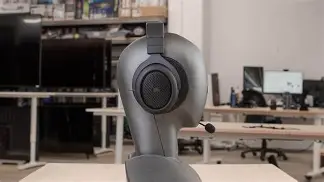
Out of the box, the Hs70 Bluetooth felt reasonably well made. The headband has a matte-finish plastic with a soft inner padding, and the earcups are swiveling with a plush memory-foam feel. I noticed small seams on the plastic joints and a somewhat utilitarian aesthetic — it doesn't look premium, but it's unobtrusive. The weight felt moderate on my head (not featherlight, not heavy), and the clamping force was a little snug at first; after a few days it softened up and became comfortable.
One design detail I appreciated was the layout of the physical controls: volume wheel on the right cup, power/pairing button in an accessible spot, and a separate mic mute. The charging port is on the left cup and uses a common connector; it's an okay placement, though I would have preferred the port recessed a bit more to avoid accidental cable stress when charging on the desk.
Comfort and wearability — daily usage notes
In my experience, comfort is where the Hs70 mostly succeeds. The earcups are large enough to fully enclose my ears without pressing on them, and the memory foam stays comfortable for multi-hour stretches. I wore these for six-hour blocks a few times while working and didn't get the ear soreness I often encounter with on-ear designs.
That said, there are two comfort caveats I noticed. First, my ears did get slightly warm during summer afternoons — not unbearable, but noticeable. Second, the headband padding is adequate but could be thicker for heavy users; after a full workday I sometimes noticed pressure on the top of my head, especially during long gaming sessions.
Sound quality and performance
What I found was a sound signature that leans toward balanced, with a touch of warmth. For casual music listening — indie, acoustic, and pop — vocals are clear and the midrange is pleasant. Bass is present but not overpowering; it has enough punch for rhythm and beats but won't impress bass-heads who expect overwhelming low-end thump.
For movies and gaming, spatial cues were decent. I could locate footsteps and directional audio with enough precision for casual competitive play, though the Hs70 doesn't deliver the pinpoint accuracy of a dedicated high-end gaming headset or a proper surround-sound setup. The treble is smooth and rarely sounded harsh, but at very high volumes some detail in the upper range felt slightly rolled off.
One thing I noticed after long listening sessions is that the soundstage is intimate rather than wide. That suits solo listening and close-focus tasks, but if you want an expansive cinematic sound, you'll feel the difference compared to larger or open-back headphones.
Battery life in real-world use
Battery life is one of the Hs70's strong points, in my experience. With mixed use — a few calls, music in the background, and some gaming — I typically got around 18–22 hours on a charge. I charged it overnight once a week with my normal usage pattern. The headset charges to usable levels relatively quickly, and the battery held up well over the three months with no noticeable degradation.
Shop the latest Audio & Headphones picks on Amazon.
See Deals →One practical note: the headset doesn't warn you far in advance when battery is low. I learned to watch the LED and check the battery occasionally; in some long sessions I was surprised when it dropped into single-digit hours unexpectedly. If you rely on uninterrupted multi-day trips, pack a charger or plan top-ups.
Bluetooth connectivity and latency
I used the Hs70 with a mix of devices: a laptop, a smartphone, and a gaming console (via a Bluetooth adapter). In my experience the headset maintained a stable connection within a typical room range (~8–10 meters) and handled obstacles like walls reasonably well. Pairing was straightforward and it remembered devices reliably.
Latency was acceptable for video streaming and voice calls — audio sync was fine when watching videos on my laptop and phone. For fast-paced competitive gaming, I did notice a small delay compared to wired headphones. If you're a serious competitive gamer, an intrinsic Bluetooth latency might bother you; casual gamers will probably be fine.
Microphone quality — real call testing
I used the built-in microphone extensively for calls and multiplayer voice chat. In my tests, the mic captured my voice clearly in quiet rooms and was perfectly adequate for work calls and team chat. However, it struggled in noisy environments; when outdoors or near a running fan, my voice sounded muffled and there was some background bleed.
Another aspect I noticed is that the mic's placement and boom length are not adjustable enough for dramatic improvements — angling made small differences but couldn't entirely eliminate wind noise or distant ambient sounds. For important recordings or professional streaming, I'd still recommend a dedicated USB mic, but for day-to-day calls the Hs70's mic does the job.
Controls and usability
I liked the tactile feel of the volume wheel and the simplicity of the button layout. The volume wheel allowed precise adjustments without looking, and the mic mute button is instantly reachable which I used a lot in meetings. The power/pairing button was slightly stiff at first but broke in after a few weeks.
One usability annoyance: there's minimal feedback for some actions. The headset uses a combination of beeps and LED signals, and sometimes I couldn't immediately tell how much battery was left or whether the pairing had fully completed without checking the connected device.
Software and customization
The Hs70's companion app (if available for your platform) offers only basic EQ presets in my experience. I used the equalizer rarely because the default sound was already balanced, but when I wanted a bit more bass or clarity the adjustments were modest rather than transformative. If you're someone who loves fine-grained DSP customization, the app may feel limited.
Durability and long-term wear
After three months of daily use the headset shows minor wear on the earcup foam and slight discoloration on the headband where my hair touches it, but nothing structural has failed. The swivel joints remain tight enough and the plastic hasn't cracked. I do try to treat gear gently; if you travel with your headset thrown in a bag, expect more accelerated cosmetic wear.
What I appreciated most
- Comfortable earcups that worked well for long workdays.
- Consistent battery life in real-world mixed use.
- Clear voice reproduction for calls and decent gaming spatial cues.
- Simple, tactile controls that made casual use easy.
What disappointed me
- Microphone performance in noisy environments — it could be better at rejecting ambient sound.
- Noisy or imprecise battery/pairing feedback from LEDs and beeps.
- No active noise cancellation; passive isolation is okay but limited.
- App-based EQ and software features felt basic compared to some competitors.
Pros & Cons
- Pros:
- Comfortable for long sessions
- Reliable Bluetooth connection for everyday use
- Long battery life in practical scenarios
- Balanced, pleasant sound signature
- Cons:
- Microphone struggles in noisy settings
- Lacks active noise cancellation
- Limited software customization
- Some minor build quality shortcuts in the plastic finish
Comparison: Hs70 Bluetooth vs. Wired HS70 vs. Other mid-range Bluetooth headsets
| Feature | Hs70 Bluetooth (my review) | Wired HS70 (my previous) | Other mid-range Bluetooth headsets |
|---|---|---|---|
| Comfort | Very good for long sessions; memory foam earcups | Good, slightly lighter feel but cable adds inconvenience | Varies; many match comfort but some pinch or heat up |
| Sound | Balanced and warm; good mids, moderate bass | Slightly more immediate due to no wireless compression | Some offer stronger bass or wider soundstage |
| Battery | Excellent (~18–22 hrs in my use) | No battery limitations | Ranges widely; some match or exceed, some fall short |
| Mic | Clear in quiet rooms; struggles in noisy places | Often better with detachable boom mics | Varies; some have stronger noise rejection |
| Latency | Good for video/casual gaming; not ideal for competitive | Zero latency | Many Bluetooth headsets show similar latency issues |
| Software / Features | Basic app features; limited EQ | Minimal software; plug-and-play | Some competitors offer richer apps and ANC |
| Value | Solid everyday value if you prioritize comfort & battery | Good value for low-latency use | Depends on brand — ANC or premium drivers add cost |
Buying guide: Is the Hs70 Bluetooth right for you?
After using the Hs70 Bluetooth for three months, here's how I would advise someone considering it:
Find top-rated Audio & Headphones products at great prices.
Shop Amazon →1. Think about your primary use
If you need a daily comfortable headset for long workdays, casual music, and occasional gaming, the Hs70 is a strong candidate. If your main use is competitive gaming where latency is critical, or professional podcasting where mic quality must be top-tier, you might want to look at wired options or headsets with dedicated high-end mics.
2. Evaluate microphone needs
I noticed the mic was fine for conference calls and group chat but underwhelming in noisy or outdoor environments. If you take many calls in busy places or need broadcast-quality voice capture, plan to supplement with a better mic.
3. Prioritize comfort and battery
Comfort and battery life are where the Hs70 really stands out for me. If you wear headphones for hours daily, these two factors matter more than flashy features. The Hs70 held up well in both areas during my use.
4. Consider software and customization
If you enjoy tweaking EQs and features via apps, keep in mind that the Hs70's app offerings are basic. You can get good sound out of the box, but customization is limited.
5. Check for essential features you can't live without
Make a short checklist: Do you need active noise cancellation? Multipoint pairing? A detachable boom mic? Low-latency mode for gaming? The Hs70 covers many basics well, but it doesn't check every niche box. Decide which features are dealbreakers before choosing.
6. Test the fit if possible
Everyone's head shape and ear sensitivity are different. If you can, try the headset for 20–30 minutes in a store to ensure the clamping force and earcup size suit you. In my case the clamp relaxed over a week; your experience may vary.
Final verdict and conclusion
After three months of real-world use, in my experience the Hs70 Bluetooth is a dependable, comfortable daily headset that excels at what most people need: long battery life, comfortable fit, and a balanced sound profile. I appreciated its straightforward controls and reliable Bluetooth connection, which made it easy to switch between work calls and leisure listening. What I found lacking were the microphone's performance in noisy environments, the absence of active noise cancellation, and somewhat limited app-based customization.
If you're after a solid, no-fuss Bluetooth headset for remote work, meetings, and casual gaming, the Hs70 delivers a lot of value for everyday use. If your priorities tilt toward low-latency competitive gaming, professional audio recording, or heavy-duty noise isolation, you might want to consider other specialized options. For my mix of needs — long conference calls, background music while I work, and evening gaming — the Hs70 struck a very usable balance and became my go-to headset more often than not.